Embark on a journey through the world of marine insurance for shippers with this comprehensive guide. From understanding the importance of protection to navigating the complex policies, this guide will equip you with the knowledge you need to sail smoothly through the seas of shipping insurance.
Overview of Marine Insurance
Marine insurance plays a crucial role in protecting shippers from financial losses associated with maritime transportation. It provides coverage for various risks that may arise during the shipping process, offering peace of mind to both shippers and carriers.
Purpose of Marine Insurance
Marine insurance is designed to safeguard shippers against potential losses or damages to cargo while in transit. It ensures that shippers are compensated in the event of accidents, theft, natural disasters, or other unforeseen circumstances that could result in financial setbacks.
Types of Risks Covered
- Loss or damage to cargo due to sinking, collision, or grounding of the vessel.
- Theft or pilferage of goods during transportation.
- Damage caused by rough seas, storms, or other natural disasters.
- Financial losses due to delays in delivery or non-delivery of goods.
Scenarios Requiring Marine Insurance
- Shipping valuable electronic equipment overseas where the risk of damage during transit is high.
- Transporting perishable goods that require timely delivery to maintain their quality.
- Exporting goods to regions prone to political instability or piracy.
Types of Marine Insurance Policies
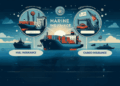
Marine insurance offers various types of policies to shippers, each providing specific coverage tailored to different aspects of the shipping process. Let's delve into the key types of marine insurance policies available for shippers.
Hull Insurance
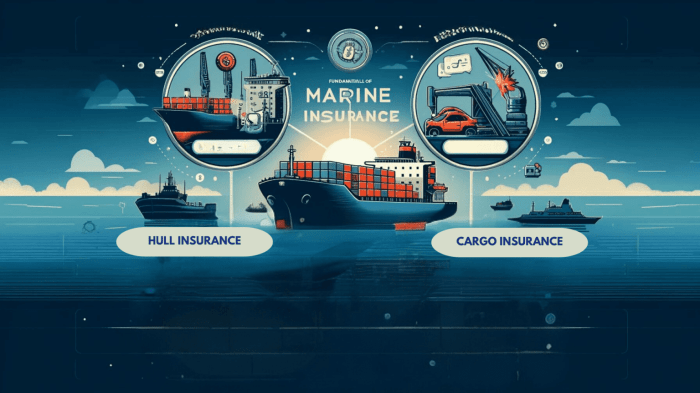
Hull insurance is designed to protect the physical structure of the ship itself. This type of policy typically covers damages to the vessel caused by perils such as collisions, sinking, or natural disasters. It also includes protection against liability for third-party bodily injury or property damage.
Hull insurance is crucial for shipowners to safeguard their valuable assets and ensure financial security in case of accidents.
Cargo Insurance
Cargo insurance focuses on protecting the goods being transported by sea. This policy covers losses or damages to the cargo during transit, whether by vessel, truck, or other modes of transportation. Cargo insurance provides coverage for various risks such as theft, damage from improper handling, or natural disasters.
It is essential for shippers to safeguard their merchandise and mitigate financial losses in case of unforeseen events.
Freight Insurance
Freight insurance, also known as freight forwarder's liability insurance, protects the shipper's financial interests in case of damage or loss of cargo during transit. This type of policy covers the liability of the freight forwarder for the cargo they are transporting.
Freight insurance ensures that shippers are compensated for any financial losses incurred due to accidents, theft, or other unforeseen circumstances during shipment.In summary, hull insurance safeguards the ship itself, cargo insurance protects the goods being transported, and freight insurance covers the liability of the freight forwarder.
Each type of marine insurance policy plays a crucial role in mitigating risks and ensuring financial protection for shippers in the complex world of international shipping.
Factors Influencing Marine Insurance Premiums
Marine insurance premiums are influenced by several factors that play a crucial role in determining the cost of coverage for shippers. Understanding these factors is essential for shippers to make informed decisions when selecting marine insurance policies.
Value of Cargo
The value of the cargo being transported is a significant factor in determining marine insurance premiums. Higher value cargo will typically result in higher premiums, as the risk exposure is greater for the insurer in case of loss or damage.
Shipping Routes
The shipping routes chosen by shippers also impact marine insurance premiums. Routes that are considered more hazardous or prone to natural disasters may lead to higher premiums due to the increased risk associated with those routes.
Vessel Characteristics
The characteristics of the vessel used for transporting the cargo can also influence insurance premiums
For example, older vessels may be deemed riskier and result in higher premiums.
Risk assessment plays a crucial role in determining insurance pricing for marine cargo, with factors such as cargo value, shipping routes, and vessel characteristics all taken into consideration.
Claims Process in Marine Insurance
When it comes to marine insurance, the claims process is a crucial aspect that shippers need to understand. Filing a claim, providing necessary documentation, and involving surveyors are key steps in ensuring a smooth claims settlement.
Steps Involved in Filing a Claim
- Notify the insurer: The first step is to inform the insurance company about the incident and provide details of the claim.
- Submit documentation: Prepare and submit all necessary documents, including the insurance policy, bill of lading, survey reports, and any other relevant information.
- Assessment by the insurer: The insurance company will assess the claim based on the provided information and determine the coverage and compensation.
- Settlement: Once the claim is approved, the insurer will proceed with the settlement process and compensate the insured party accordingly.
Documentation Required to Support a Claim
- Insurance policy: A copy of the marine insurance policy outlining the terms and conditions of coverage.
- Bill of lading: The official document issued by the carrier detailing the cargo being transported.
- Survey reports: Reports prepared by surveyors detailing the extent of damage or loss incurred during transit.
- Invoices and receipts: Proof of the value of the goods being claimed for compensation.
Role of Surveyors in Assessing Damage and Processing Claims
Surveyors play a crucial role in the claims process by inspecting the damaged goods, assessing the extent of the loss, and providing detailed reports to the insurance company. Their expertise helps in determining the validity of the claim and the appropriate compensation to be provided to the insured party.
Importance of Marine Insurance for Shippers
Marine insurance plays a crucial role in safeguarding the interests of shippers by providing financial protection against various risks associated with shipping goods across seas and oceans.
Without adequate marine insurance coverage, shippers are exposed to significant financial losses due to unforeseen events such as natural disasters, accidents, theft, or piracy during transit.
Case Studies and Examples
- In 2019, a cargo ship carrying electronic goods encountered a severe storm in the Pacific Ocean, leading to the loss of a significant portion of the merchandise. Thanks to comprehensive marine insurance coverage, the shipper was able to recover the financial losses incurred.
- Another example is a shipping company that faced a legal dispute with a client over damaged goods during transit. The marine insurance policy not only covered the cost of the damaged goods but also legal expenses, saving the shipper from potential financial turmoil.
Legal Implications
Not having adequate marine insurance coverage can result in legal consequences for shippers, especially in cases where damage or loss of goods leads to disputes with customers or partners. Without insurance, shippers may be held liable for the full value of the damaged or lost goods, putting their financial stability at risk.
Closing Notes
As we reach the end of this comprehensive guide, it's clear that marine insurance is a vital aspect of the shipping industry. By safeguarding against risks and ensuring smooth claims processes, shippers can navigate turbulent waters with confidence. Stay informed, stay protected, and sail on!
FAQs
What are the different types of marine insurance policies available?
There are various types, including hull insurance, cargo insurance, and freight insurance, each offering specific coverage tailored to different aspects of shipping.
How do factors like cargo value and shipping routes influence marine insurance premiums?
The higher the value of cargo and the riskier the shipping route, the more premiums are likely to increase due to the higher perceived risk.
What documentation is required to support a claim in marine insurance?
Documentation may include the bill of lading, survey reports, and proof of loss to substantiate the claim.
Can you provide examples of how marine insurance has been crucial for shippers?
Sure, instances like protecting against total loss of cargo due to unforeseen events or damages during transit highlight the critical role marine insurance plays for shippers.
What legal implications can arise from not having adequate marine insurance coverage?
Shippers may face financial losses, liabilities, and legal disputes if they encounter unforeseen incidents without proper insurance coverage.