Delving into the realm of Long-Term Care Insurance: What Retirees Should Know, we uncover essential information that sheds light on this crucial aspect of retirement planning. As retirees navigate the complexities of insurance options, understanding long-term care insurance becomes paramount for securing their future well-being.
Exploring the nuances of coverage, limitations, cost factors, and policy selection, this guide aims to equip retirees with the knowledge needed to make informed decisions and safeguard their financial health in the long run.
Understanding Long-Term Care Insurance
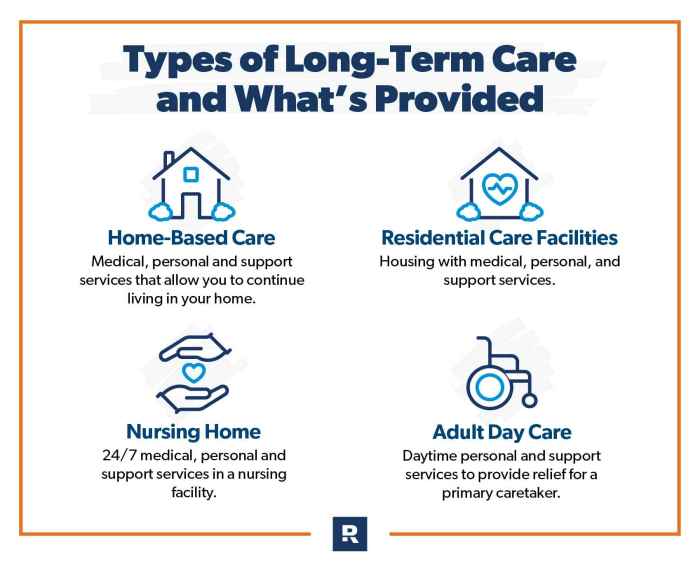
Long-term care insurance is a type of insurance policy designed to cover the costs associated with long-term care services, such as assistance with activities of daily living, nursing home care, or in-home care. It provides financial protection against the high expenses that can arise from needing long-term care later in life.
Benefits of Long-Term Care Insurance in Retirement
- Financial Security: Long-term care insurance helps retirees protect their assets and savings by covering the potentially exorbitant costs of long-term care services.
- Independence: With long-term care insurance, retirees can have the freedom to choose the type of care they want without solely relying on family members or Medicaid.
- Peace of Mind: Knowing that long-term care insurance is in place can provide peace of mind for retirees, reducing stress about potential future care needs.
Situations Where Long-Term Care Insurance is Beneficial
- Chronic Illness: Long-term care insurance can be beneficial for retirees with chronic illnesses that may require ongoing care and assistance.
- Rehabilitation: In cases where a retiree needs rehabilitation services after an injury or illness, long-term care insurance can help cover the costs of skilled nursing care or therapy.
- Cognitive Impairment: Long-term care insurance is valuable for retirees with cognitive impairments, such as Alzheimer's disease, who may need specialized care and supervision.
Coverage and Limitations
When it comes to long-term care insurance, it is crucial for retirees to understand both the coverage provided and the limitations or exclusions that may apply. This knowledge can help retirees make informed decisions about their long-term care needs.
Typical Coverage Provided
- Assistance with daily activities: Long-term care insurance typically covers the cost of assistance with activities of daily living, such as bathing, dressing, and eating.
- Nursing care: Coverage often includes skilled nursing care either at home or in a nursing facility.
- Therapy services: Long-term care insurance may also cover physical, occupational, or speech therapy services.
- Home modifications: Some policies may cover the cost of home modifications to make the living environment safer and more accessible.
Common Limitations or Exclusions
- Pre-existing conditions: Many long-term care insurance policies exclude coverage for pre-existing conditions, so it's important to review the policy carefully.
- Waiting periods: Some policies have a waiting period before coverage kicks in, which means retirees may have to pay for care out of pocket during that time.
- Specific types of care: Certain types of care, such as care provided by family members, may not be covered by long-term care insurance.
- Duration of coverage: Policies may have limits on the duration of coverage, so retirees should be aware of how long their benefits will last.
Examples of Scenarios
Scenario 1: A retiree who requires assistance with daily activities due to a recent injury would likely be covered under their long-term care insurance policy.
Scenario 2: If a retiree wants to receive care from a family member instead of a professional caregiver, they may not be eligible for coverage under their long-term care insurance.
Cost Factors and Affordability
Long-term care insurance premiums can vary based on several factors. Insurers typically consider the applicant's age, health status, the amount of coverage, the length of coverage, and any additional benefits included in the policy when determining the premium.
Strategies for Affordability
Retirees can take several steps to make long-term care insurance more affordable:
- Start planning and purchasing a policy early: The younger and healthier you are when you purchase the policy, the lower the premium is likely to be.
- Consider a shared policy with a spouse: Some insurers offer discounts for couples who purchase a policy together.
- Choose a longer elimination period: Opting for a longer waiting period before benefits kick in can lower the premium.
- Adjust coverage amount: Evaluate the amount of coverage you truly need to ensure you are not paying for more than necessary.
Cost Comparison
Self-funding long-term care can be expensive, especially if you require care for an extended period. While the cost of insurance premiums can add up over time, they can be significantly lower than the out-of-pocket expenses of self-funding care. It's important to weigh the potential costs and benefits of both options based on your individual circumstances and financial situation.
Choosing the Right Policy
When it comes to selecting a long-term care insurance policy, retirees should carefully consider various key features to ensure they choose the right one that meets their needs and preferences.
Important Factors to Consider:
- Coverage Options: Evaluate whether the policy covers a wide range of long-term care services, including nursing home care, assisted living facilities, and home healthcare.
- Benefit Amount: Determine the daily or monthly benefit amount provided by the policy to cover long-term care expenses.
- Inflation Protection: Look for policies that offer inflation protection to ensure that benefits keep pace with rising healthcare costs.
- Elimination Period: Understand the waiting period before benefits kick in and choose a period that aligns with your financial capabilities.
- Provider Network: Check if the policy restricts you to specific providers or if you have the flexibility to choose your own healthcare providers.
Reviewing and Updating the Policy:
Retirees should regularly review their long-term care insurance policy and update it as circumstances change to ensure it continues to meet their evolving needs. Factors such as changes in health status, financial situation, or long-term care preferences may necessitate adjustments to the policy to ensure adequate coverage when needed.
Final Summary
In conclusion, Long-Term Care Insurance: What Retirees Should Know serves as a vital tool in the retirement arsenal, offering peace of mind and financial security for the golden years ahead. By grasping the intricacies of long-term care insurance, retirees can proactively plan for potential healthcare needs and ensure a comfortable retirement journey.
Helpful Answers
What factors determine the premiums for long-term care insurance?
Premiums are typically based on age, health status, coverage amount, and the length of coverage desired.
Are there any common exclusions in long-term care insurance policies?
Some policies may exclude coverage for pre-existing conditions, certain treatments, or specific care facilities.
How can retirees make long-term care insurance more affordable?
Retirees can explore options like purchasing a policy at a younger age, opting for a shorter benefit period, or choosing a policy with a longer elimination period.
Why is it important to review and update a long-term care insurance policy?
Reviewing and updating the policy ensures that it aligns with changing healthcare needs, financial circumstances, and personal preferences over time.
![Annual Limits in Pet Insurance Explained [INFOGRAPHIC]](https://health.ayobandung.com/wp-content/uploads/2025/11/d29c3841722cf6f697f83fe20ab47e9c-75x75.jpg)